*Published by The University of Miami’s “The Scientifica” on 11/18/20*
**This article was written in mid-September. The content in this article is dynamic and has changed since its original publication**
Where Are We Right Now?
We are in the eighth month of quarantine in the United States, and everyone is aching for a vaccine. When is it going to be finished? What company is frontrunning the vaccine race? Will it be completely effective? While there is a great deal of uncertainty in this dilemma, there are currently three leading companies: Moderna, AstraZeneca, and Pfizer, each competing to deliver a version of the COVID-19 vaccine. With their promising studies, many feel confident about these pharmaceutical companies as they have been working relentlessly through the vaccine production and FDA approval stages. Yet, what does their progression mean in terms of when the vaccine will be released to the general public? Let’s break down the timeline of these three companies’ work to find out.
All three frontrunners are in the third phase of FDA Clinical Testing, also known as the “last” set of clinical trials. These trials confirm whether the given vaccine is truly safe and effective enough to be released to the general public. Although these companies have made it to the final phase, it is imperative to note that this phase typically takes 1 to 4 years and involves testing 300 to 3,000 patients to determine the vaccine’s long-term effects. The urgency of COVID-19 will set a faster tempo with a goal to spend as little time testing as many people as they can. That is the ultimate goal, but testing usually doesn’t work that perfectly, so hopefully Moderna, AstraZeneca, and Pfizer can surpass these setbacks which could further extend the timeline for a widely accessible coronavirus vaccine.
Moderna
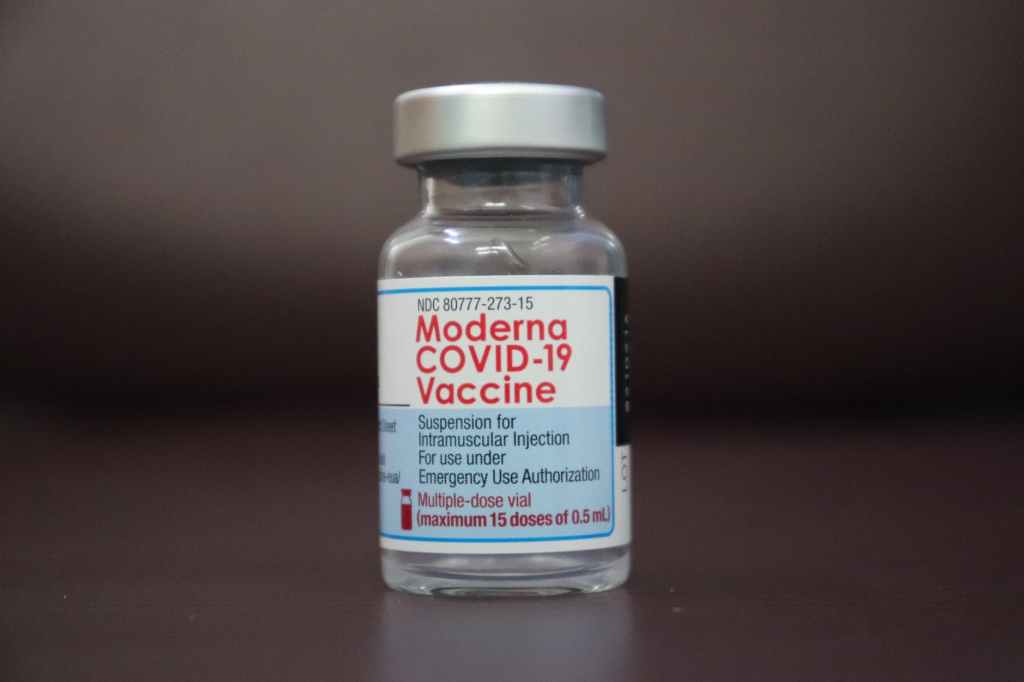
Moderna is a biotechnology company founded in 2010 in Cambridge, Massachusetts that focuses on drug discovery and development and vaccine technologies for messenger RNA. As of September 5th, over 21,000 patients have enrolled in a study that assesses the effects of Moderna’s COVID-19 vaccine. Moderna is still determined to reach 30,000 volunteers, but it may take more time than they anticipated, despite the 71% increase compared to the last week of August.
A volunteer receives progressive injections of the coronavirus vaccine. Upon signing up and receiving their first injection, they must wait 28 days before receiving the second injection. Essentially, this means that the first batch of study subjects will be tested over the next two months, and then more people will be tested two months later, and so on. Even though Moderna is still not at its target patient goal, its subject numbers should continue to grow. Furthermore, Moderna CEO Stéphane Bance has recently said that they will be filing for a EUA in late November, as their 15,000th participant received their second dosage of the vaccine on September 25th. From this, we can see that Moderna has had a strong start to its testing, but they require a similar finish in order to make it through the EUA process.
AstraZeneca

AstraZeneca is a British-Swedish pharmaceutical company based in Cambridge, England that focuses on therapeutic areas in oncology, cardiovascular, renal, metabolism, respiratory and immunology, and other disease areas. Like Moderna, AstraZeneca is also targeting around 30,000 participants for the third phase of the FDA Clinical Trials. Among participants, they are hoping to test those who are healthy as well as others at a higher risk of being infected by the coronavirus. Each participant will receive two doses of the vaccine four weeks apart from one another. Overall, this trial is assessing the effectiveness and safety of the vaccine in all participants, no matter their previous or current health conditions.
However, AstraZeneca is putting the interest of society first, as clearly stated by CEO Pascal Soriot. Consequently, the company decided on September 8th to delay the phase three clinical trials for their COVID-19 vaccine due to a patient suffering from transverse myelitis: the inflammation of the spinal cord that is triggered by infections. It is thus clear that AstraZeneca wants to be as careful and thorough as possible. Although this affected the timeline of their vaccine release, the company has recently restarted clinical testing in countries such as Japan, the United Kingdom, and Canada. This cautious approach ensures that their COVID-19 vaccine will be further developed than most, especially with their worldwide testing locations.
Pfizer
Pfizer is an American pharmaceutical company founded in New York City that focuses on producing products for internal medicine, inflammation and immunology, rare diseases, oncology, and vaccines. Throughout this vaccine race, Pfizer has teamed up with partner BioNTech to help develop the vaccine as soon as possible. As of now, Pfizer has not conducted sufficient testing yet to judge whether their vaccine is trending in the right direction. However, according to their CEO, Albert Bourla, the company is expected to release pivotal coronavirus vaccine data in October; this will give the public a better idea of how the company’s vaccine affects its participants.
While they already have 23,000 participants enrolled for the study, Pfizer is not quite ready to release information yet. From this, it’s clear that Pfizer remains one of the quieter competitors in terms of releasing clinical trial data, but that is not necessarily a bad thing. In fact, Pfizer CEO Albert Bourla told his employees that they will be moving at “the speed of science” and they will not be impacted by political or social pulls. From this patient approach, we can all hope that it will produce excellent and optimistic results, as their prominent pipeline and published products make Pfizer a trusted source.
Will The Vaccine Be 100% Effective?
The common misconception about the coronavirus vaccine is that once it is approved and released, it will work for everyone with only one injection. Unfortunately, there has been little evidence of a vaccine perfectly preventing a viral infection. The Executive Director of WHO’s Health Emergencies, Dr. Michael Ryan, has even said that “vaccines are never 100% effective.” This is primarily because every human body does not respond the same to a vaccine, so for the short-term, masks have been the “most important powerful health tool we have” according to CDC director Dr. Robert Redfield.

The most common example of this is the influenza vaccine, with effectiveness at around 40-60%. The annual influenza vaccine that people receive targets the viral strain of the year before, yet the inserted antibodies from the shot may still be able to protect certain people from the flu. Now, compare that to coronavirus, which still has many questions yet to be answered. Furthermore, scientists aren’t even sure that antibodies provide “immunity” or protection against a second coronavirus infection. Overall, while this vaccine isn’t going to be perfect, the leading companies are striving to make sure that they will be as effective as possible.
When Is The Vaccine Expected To Be Released?
Here is the big question that everyone wants the answer to, but no one has the answer to. The media has consistently said that they expect a coronavirus vaccine to be available later this year or in early 2021. The optimism behind this claim is that everyone around the globe is focusing on finding and creating this prevention tool, and since there is such an enormous amount of time dedicated to the vaccine, many think it should be completed soon. But, there are so many blockades that come with testing vaccines through the FDA.
Even though the vaccine is desperately needed, the FDA will not approve a drug until they are entirely sure that it is safe, efficient, and effective. Many do not expect the FDA to be lenient because of the situation we are in, but since Moderna, AstraZeneca, and Pfizer began the process very early on, it gives us many reasons to hope and dream for a solution to COVID-19.

 Kyle Banker