*Featured on the University of Miami’s “The Scientifica”*

Whether or not you have been in an area or state that is susceptible to them, we all know that hurricanes create some of the worst natural disasters. The Southern U.S., especially Miami, is constantly faced with hurricane threats annually during the “hurricane season,” which ranges from June to November. During this time, you can expect many threats of both tropical storms and varying hurricanes of different categories.
For reference, the difference between a tropical storm and a hurricane depends on wind speed. We classify a storm system as a tropical storm if its wind speeds range from 39-73 mph (miles per hour); everything above 74 mph is considered a hurricane. Additionally, hurricanes are also classified on a category scale of 1 to 5 depending on their wind speed, with a Category 1 hurricane being the least dangerous. Regardless, both kinds of tropical cyclones can create catastrophic damage to neighborhoods and cities and long-lasting effects on their future development.
For example, the most well-known hurricane in the Southern United States is Hurricane Katrina: a Category 5 hurricane whose wind speed peaked at 174 miles per hour. Katrina hit Louisiana and Mississippi in 2005 and caused about $108 billion in damage and 1,833 fatalities. Hurricane Katrina has left Louisiana devastated (particularly New Orleans) even to this day; if you were to stop reading and look at pictures of New Orleans post-Katrina, you would think that it was an abandoned city. About 20% of New Orleans was underwater two days after Katrina made initial contact with the city.
However, many more hurricanes have struck the U.S. in the past 16 years, including some that many students at the University of Miami have experienced. How do these hurricanes happen often in Miami? How do meteorologists determine hurricane paths?

Miami has a thorough history of hurricanes, as a total of 31 have hit the city. The University of Miami is known as the “Hurricanes” after our first-ever football game was canceled due to a storm. To go even broader, Out of the 292 hurricanes in the United States, 122 have made landfall in Florida. It is evident that Miami is very susceptible to hurricanes impacting the city annually, but why? Many think that it is just a series of bad luck, but that is not the case. Instead, Miami sits to the east of the Atlantic Ocean and has a maximum elevation of 42 feet above sea level.
The temperature of the water also plays a factor; since the surface water off the East Coast is warmer than the West Coast, hurricanes are more likely to hit Miami. To break this down, the close location of the Atlantic Ocean serves as a significant disadvantage for Miami, which can devastate many parts of the city like Miami Beach. As a result, it makes sense why Miami has to constantly prepare for hurricanes each year while a city like Denver has little to worry about.
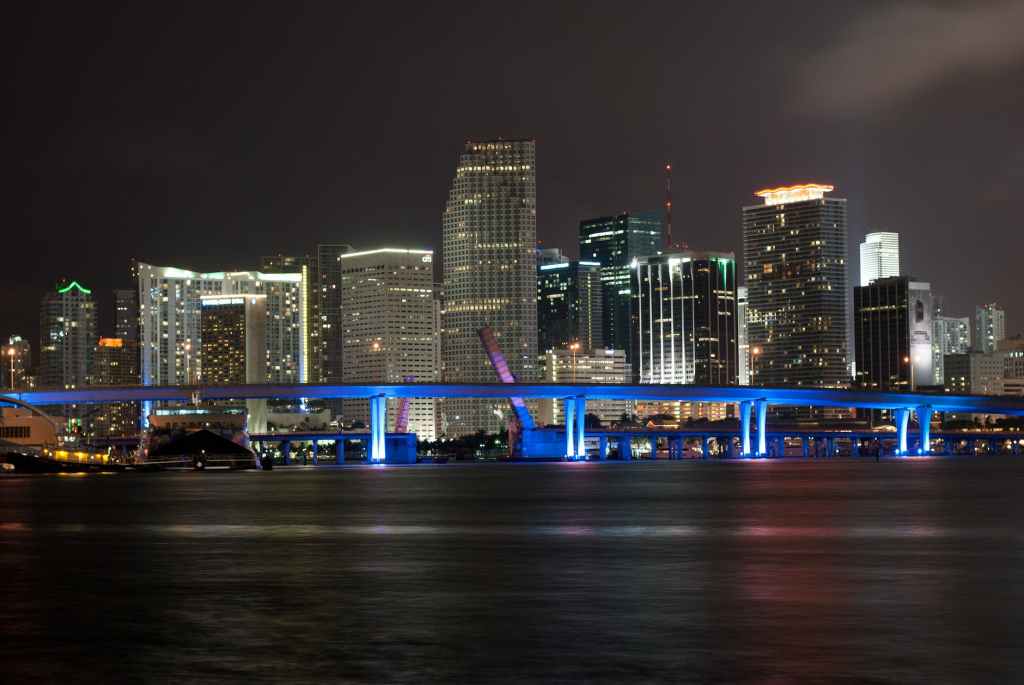
Two of the more recent major hurricanes to hit the Southern United States are Hurricane Dorian and Hurricane Ida. I was right in the middle of Hurricane Dorian in my freshman year at the University of Miami. For the shorter story, it seemed as if Dorian was going to directly hit Miami, so most students went back to their hometowns. The night when I got off my flight, I unexpectedly saw that the hurricane changed its path and missed Miami.
Instead, Miami only received heavy rainfall, and Dorian hit the Bahamas as a Category 5 hurricane. I returned to the University of Miami a few days later with no damage other than some fallen leaves from palm trees and funny stories from those who stayed on my floor at Stanford Residential College. But, the Bahamas were not so fortunate: Dorian was the most intense hurricane ever to hit the country with wind speeds of 185 mph.
Essentially, it is evident that a storm can quickly change paths and suddenly affect a different area. How can we predict this change of direction? Objects such as satellites, ships, buoys, radars, and other land-based platforms are crucial for determining where a hurricane will go. Forecasters use the collected data to determine the storm’s center, characteristics, and past motion (about 6-12 hours). It then can be roughly estimated where the hurricane will go next, which will not always be correct. Nevertheless, it is critical to provide some estimation so that those residing in the targeted area have the chance to evacuate, just like those in Miami with Dorian. Even if you do figure out the same day that you did not have to leave your home, it is better to be safe than sorry.
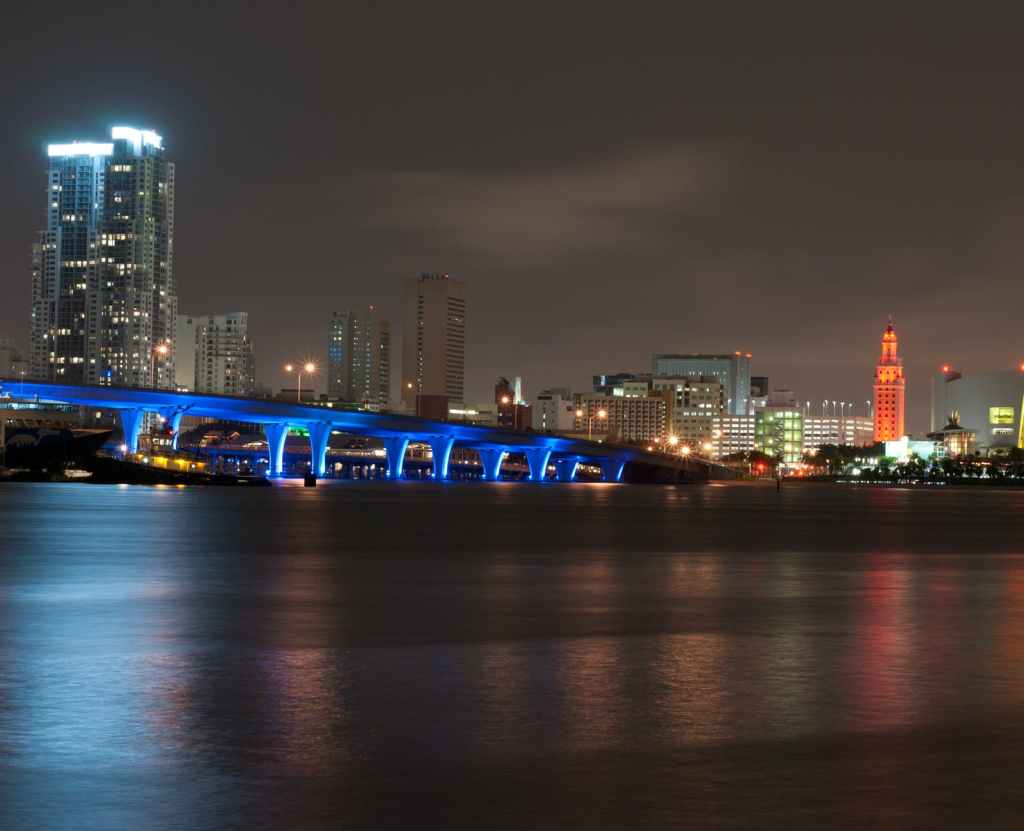
The most recent hurricane that struck the Southern U.S. is Hurricane Ida. Ida occurred in August of 2021 and was the second most devastating hurricane (behind Katrina) to hit Louisiana. Ida was a Category 4 hurricane, and at least 49 have died from the storm so far. The hurricane reached wind speeds of 150 mph, which is very close to the Category 5 hurricane classification of 157 mph. Ida did not have a drastic change of direction as Dorian did: everyone knew that Louisiana would be heavily affected.
As a result, most residents fled the state and watched on their televisions as images and videos of underwater neighborhoods appeared. The impact felt as if it was a repeat of Hurricane Katrina, and at the time of this article, damages are still being reported daily and relief efforts are increasing. But, how exactly can communities come together post-hurricane to attempt to rebuild their dismantled towns and cities?
Let us stick with the two hurricanes that I have previously mentioned. The Bahamas and Louisiana both have similarities and differences in how they reconstruct their communities. There are two main impacts that a hurricane has on a state or city. The first impact is flooding from the rainfall, which leaves some one-story houses and the streets/sidewalks completely underwater. The second impact is the strong winds destroying various buildings such as stores, restaurants, houses, and much more. The strong winds can also take out power lines for days or weeks; about 721,000 people in Louisiana still do not have power from Hurricane Ida.
To fix both of these problems, it takes a varying amount of time depending on the country’s or state’s resources. When comparing Louisiana to the Bahamas, it will probably take Louisiana less time to recover due to the direct relief from the U.S. government and donations. An island in the Bahamas named Great Abaco is still recovering from Hurricane Dorian two years later, which is mostly due to COVID-19 but will be addressed later in the article. Overall, it depends on a situational basis on how long recovery takes. But, for reference, Hurricane Katrina’s recovery plan took roughly about 18 months to complete.
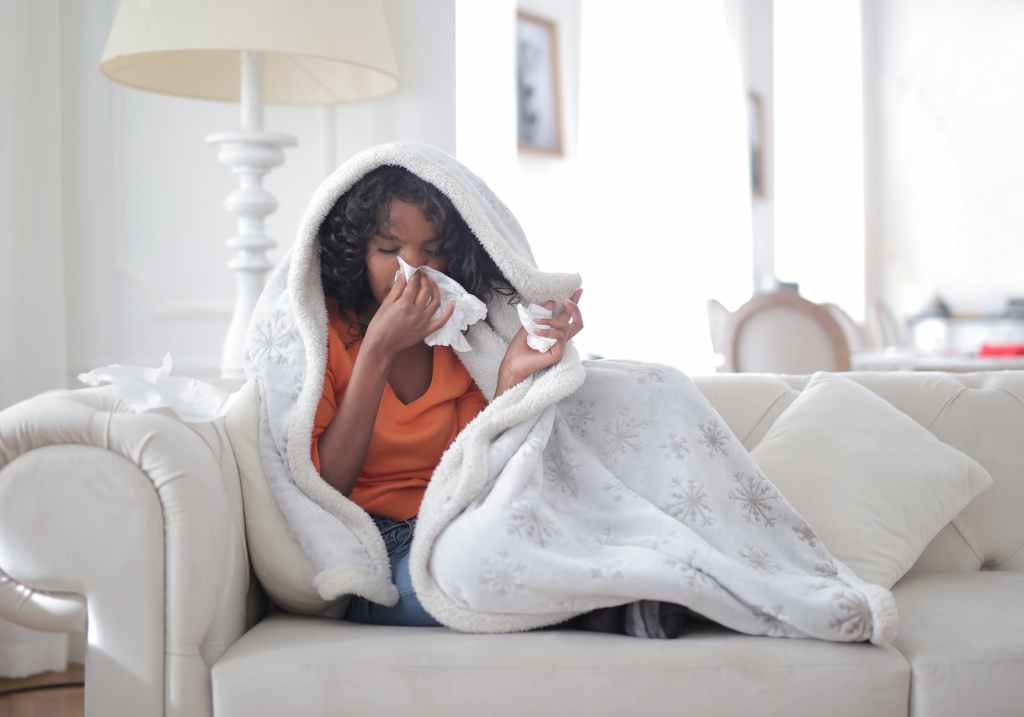
Finally, it is recently significant to mention the effect of COVID-19 on hurricane relief. For example, for Louisiana, those who are injured from Hurricane Ida may not get a hospital bed. Since hospital beds are nearly at capacity across the U.S. due to COVID-19, the pandemic has a sizable effect on communities impacted by hurricanes. Even further, with the loss of power from Ida, hospitals may not be able to access all of their resources. Finally, since many houses were destroyed in the process, many citizens have to move to shelter centers, where the spread of COVID-19 can dramatically rise.
As for the Bahamas, the effect of COVID-19 may be even greater, as the country has significantly lower vaccination rates than the United States. For example, Great Abaco only has a vaccination rate of 13%, and the COVID-19 cases are currently plateauing while damages are still not yet repaired from Hurricane Dorian. Since the Bahamas did not receive total relief, they are opening tourism to the public, which can also cause a widespread of COVID-19. The dual-threat of hurricane damage and COVID-19 has made the recovery process even more difficult, which can cause significantly longer recovery times.
To conclude, hurricanes have been devastating for the Southern United States for countless years, especially recently with Hurricane Dorian and Hurricane Ida. Unfortunately, there is little that can be done to prevent hurricanes from happening and doing damage to cities like Miami.
The best course of action (especially to incoming University of Miami students) is to be alert of potential storms, be prepared to evacuate, and be kind to communities post-hurricane. Especially with the threat of COVID-19, the world is arguably going through an even tougher hurricane season than ever before. If we continue to help spread awareness for affected communities and people and donate (if you can) to help support the recovery process, we as a society can get through the 2021 hurricane season. To reference the iconic UM saying, these times of hardship are when ‘Canes Care For ‘Canes.
Sources
“Hurricane Katrina – August 2005”. Weather.Gov, 2021, https://www.weather.gov/mob/katrina. Accessed 13 Sept 2021.
“Hurricane Katrina | Deaths, Damage, & Facts”. Encyclopedia Britannica, 2021, https://www.britannica.com/event/Hurricane-Katrina. Accessed 13 Sept 2021.
“Top 10 Worst Hurricanes To Hit Florida | ASP Windows & Doors”. Hurricane Resistant Patio Doors, Impact Windows, Custom Entry Doors, Installation Of Impact Doors And Windows In Miami | Get A Free ASP Windows Quote!, 2017, https://www.aspwindows.com/top-worst-hurricanes-hit-florida/. Accessed 13 Sept 2021.
“5 Most And Least Hurricane-Prone Areas In Florida”. Universal Property & Casualty Insurance Company, 2021,
https://universalproperty.com/most-and-least-hurricane-prone-areas-in-florida#:~:text=Of%20the%20292%20hurricanes%20that,hurricane%2Dprone%20areas%20in%20Florida. Accessed 13 Sept 2021.
France, Kevin. “Top 5 US Cities Most Vulnerable To Hurricanes”. Accuweather, 2021, https://www.accuweather.com/en/weather-news/top-5-us-cities-most-vulnerable-to-hurricanes/359885. Accessed 13 Sept 2021.
“Why Are Hurricanes So Common In Florida”. Hurricanedamage.Com, 2021, https://hurricanedamage.com/blog/why-hurricanes-florida-popular/#:~:text=Ocean%20waters%20are%20not%20a,reasons%20hurricanes%20hit%20Florida%20and. Accessed 13 Sept 2021.
“Hurricane Dorian, September 6, 2019”. Weather.Gov, 2021, https://www.weather.gov/mhx/Dorian2019. Accessed 13 Sept 2021.
Hurricanes: Science And Society: National Hurricane Center Forecast Process”. Hurricanescience.Org, 2021, http://www.hurricanescience.org/science/forecast/forecasting/forecastprocess/. Accessed 13 Sept 2021.
“NPR Cookie Consent And Choices”. Npr.Org, 2021, https://www.npr.org/2021/09/04/1034330641/hurricane-ida-northeast-flooding-storm-new-york-jersey-basements. Accessed 13 Sept 2021.
Omer, Sevil. “2021 Hurricane Ida: Facts, Faqs, And How To Help | World Vision”. World Vision, 2021, https://www.worldvision.org/disaster-relief-news-stories/2021-hurricane-ida-facts. Accessed 13 Sept 2021.
News, ABC. “Louisiana 1 Week After Ida: Widespread Power Outages Persist, Death Toll Mounts “. ABC News, 2021, https://abcnews.go.com/US/louisiana-week-ida-widespread-power-outages-persist-death/story?id=79829978. Accessed 13 Sept 2021.
Webassets.Inman.Com, 2021, https://webassets.inman.com/wp-content/uploads/2017/10/BuildFax-Hurricane-Recovery-Study.pdf. Accessed 13 Sept 2021.
Durkee, Alison. “Hurricane Ida Could Make Louisiana’S Covid-19 Outbreak ‘Much, Much Worse,’ Fauci Says”. Forbes, 2021, https://www.forbes.com/sites/alisondurkee/2021/08/29/hurricane-ida-could-make-louisianas-covid-19-outbreak-much-much-worse-fauci-says/?sh=7850510a5649. Accessed 13 Sept 2021.
Pedersen, Joe. “2 Years Since Hurricane Dorian, The Bahamas Struggles To Recover Thanks To Added COVID-19”. Orlando Sentinel, 2021, https://www.orlandosentinel.com/weather/hurricane/os-ne-hurricane-dorian-bahamas-2-year-anniversary-covid-19-20210901-nkdjbhjb6vakxkg6vego3hu7ma-story.html. Accessed 13 Sept 2021.

 Kyle Banker