*Featured on the University of Miami’s “The Scientifica”*

A recent national survey reveals that around 124 million Americans will visit a casino at least once this year. Casinos lure Americans with attractive games and enormous cash prizes, encouraging them to bet their money. Unsurprisingly, U.S. gambling revenue is expected to surpass $44 billion in 2021. Gambling is a popular yet dangerous hobby in the United States and is not just restricted to casinos.
Nearly any game involving competition between players, from sports to video games, has a facet of gambling alongside it. Because of its ubiquity across platforms, gambling is attractive to many American citizens, especially in locations such as Las Vegas and Atlanta. A recent demonstration of the magnetism of gambling comes from the hit Netflix series Squid Game. However, what causes Americans to gamble and give away their money? What do television shows like Squid Game tell us about the real dangers of gambling?

Whenever someone begins betting, they feel an initial feeling of excitement about what they can earn. This excitement continues to appear every time you bet, as studies have shown that gambling activates the brain’s reward system similar to the effect of drugs. Specifically, gambling targets the ventral striatum and the prefrontal cortex, which both have significant roles in the reward pathway. As a result, the neurological effects of gambling can make betting as addicting as drugs or alcohol. In my opinion, I would not think of comparing the addictiveness of gambling to a hard drug like cocaine, but based on research, they can be similar.
A study conducted in 2020 by the Current Opinion In Behavioral Sciences assessed a rodent’s neurological relationship between gambling and substance use. After being exposed to nicotine, the rodents preferred a higher risk-taking behavior (selecting big rewards with high risks) over a more conservative approach. Humans followed a similar trend with cocaine exposure, where the study showed humans preferred larger and riskier rewards. This study shows that gambling and substances target the same areas of our brain, which, when used together, can lead us to make risky decisions. However, the effects of initial gambling can be minimal, but it becomes dangerous if it develops into a routine.
As an individual continues to gamble, they can be diagnosed with gambling disorder. Gambling disorder is defined as the uncontrollable urge to continue gambling despite the negative effect it has on your life. For instance, if you have gambling disorder, you could skip work to bet on an NFL game or head to the casino. These individuals hope that by risking their money, they will acquire a greater financial return.
Unfortunately, this is rarely the case, as casinos statistically have a higher chance of winning than the bettor. This low-win probability leads to nearly two million Americans becoming addicted to gambling. These individuals are likely addicted either to make back their money or continue building on their financial gains.
A common question asked by many non-gamblers is: “Why can’t they just stop gambling?” The challenge of overcoming gambling disorder is the major effect it has on the human brain. Gambling disorder over-stimulates the brain and triggers a boost in the brain’s defensive reaction, which weakens the reward system. From this, the brain is constantly seeking for dopamine to trigger the reward system, which can be achieved through high-risk gambling. The relationship between gambling and dopamine is the clearest explanation for why gambling becomes so addicting, especially for those with gambling disorder. These individuals are then targeted in casinos with chance-based and risk-based games such as roulette and poker.
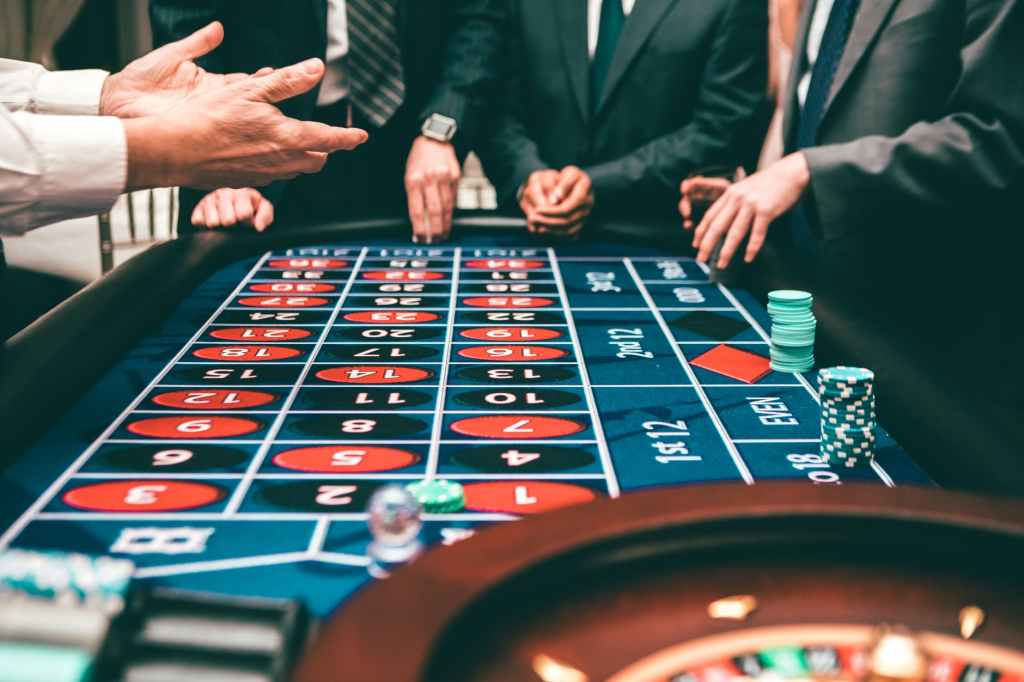
Roulette is known as one of the riskiest games in gambling as it is all determined by luck. At first glance, roulette is a fun game considering it is colorful, has an aesthetically pleasing wheel, and has a rapid betting process. However, this spinning wheel becomes the most addictive chance-based game besides slot machines. Referring back to the dopamine relationship, every spin of the wheel is an opportunity to win and acquire dopamine for the brain. Those with gambling disorder can continue to ride this dopamine rush, which would only last for a short time, and will either end up making a small gain or losing their money. As with all chance-based games, it is impossible to say whether an individual will make a financial gain, and that is the desire and addictiveness of roulette. In any spin, you could make or lose a substantial amount of money based on your bet.
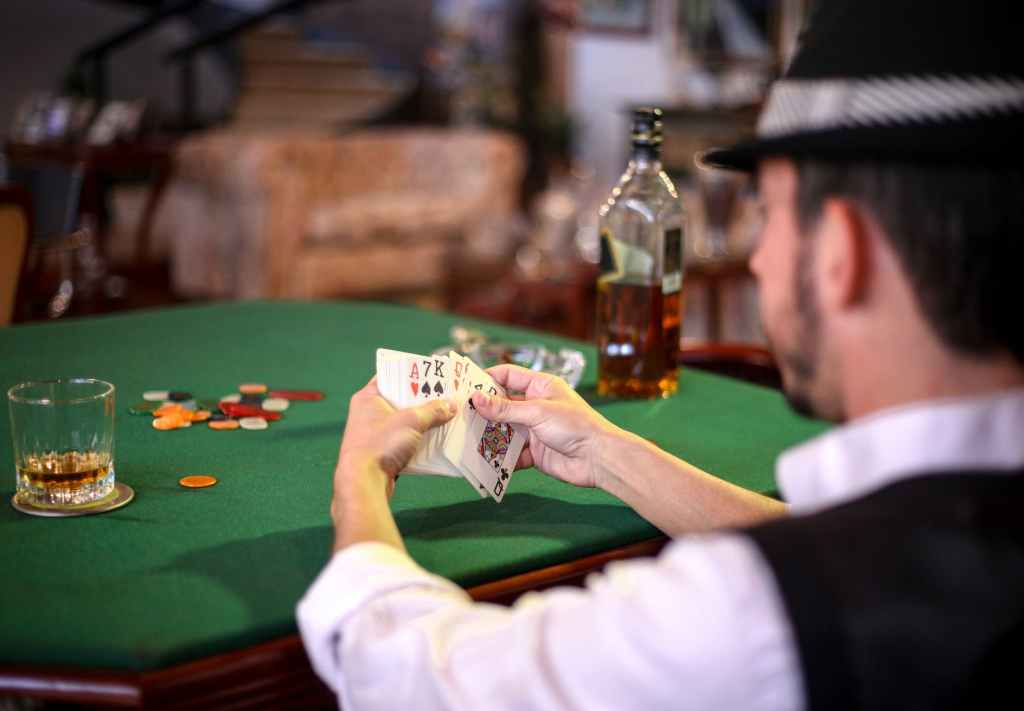
Skill-based games like poker are still risky but more slowly and strategically. While there is more technique needed for poker, uncertainty, and false emotions drive the addictiveness of this card game. A study from a journal named Biological Psychology found that emotions have a direct effect on a gambler’s decision-making. In the case of poker, if a gambler sees a favorable emotion from an opponent, they are likely to make a riskier bet. But, since false emotion is a major component of poker, this leads to individuals making large and costly bets. Overall, regardless of the game an individual chooses to play at a casino, there are many neurological effects at play during your time at the game table.

Gambling has gained a significant amount of awareness across the world, especially in television shows or movies. In September of 2021, Netflix released the Korean drama Squid Game, which tells the story of hundreds of individuals who choose to risk their life to obtain a sizable cash prize. The show focuses on Seong, who has a vast history of gambling through betting on horse racing. Seong’s gambling tendencies peak once he enters the game, where death is the consequence of losing. As more and more contestants are killed, it is significant to think about why they chose to make this decision to enter the game. Since all the individuals in the game were cash-stripped and had some gambling history, some of the players could have been diagnosed with gambling disorder. This prediction can especially apply to those who came back for the second round of the game after knowing the potential consequences.
The individual’s past also plays a major role in their ability to win the game, such as their mental flexibility or lack of counterfactual thinking. A study in 2021 involving individuals with gambling disorder found that they were more stubborn and inflexible with their decision-making, even if their decision was less effective than another. In Squid Game, this stubbornness can lead to characters giving their life away, such as in the marbles game.
Counterfactual thinking (when you try to create possible alternatives to something that has already happened) is also shown in the show, as seconds before a character dies, the audience can see the individual wonder what would happen if they did something different. In all, despite its popularity for its thrilling intensity, Squid Game can be recognized as a television show that showcases real-life implications of the neurological effects of gambling and the worst-case scenario for what happens when making a risky choice.
Even though gambling is very addictive and can be dangerous in the long run, there are countless options to treat gambling disorder. As an addictive disorder, those affected by it need to seek help and not minimize its effects. Some options for treatment include scheduling an appointment with your doctor or a mental health professional, calling the National Problem Gambling Helpline Network (1-800-522-4700), or even talking to a friend or a family member.
Furthermore, there are safe ways to gamble, such as only bringing a predetermined amount of money in cash, going with a few friends, not drinking or substance usage, and not playing for longer than an hour. As someone who occasionally bets on sports with my friends, there is a safe and fun way to gamble, but you have to be responsible and aware of the consequences. By connecting the neurological effects of gambling, and why it can become addictive, I hope this article serves as a piece of awareness that can help you when you consider your next bet or trip to the casino.

 Kyle Banker