
The Prevalence of Injuries in Sports
Playing a sport is a core childhood and living memory of many collegiate and professional athletes. All the teammates, big games, locker room talks, team dinners and off-the-field memories bring nostalgia to sports. However, a sizably undesirable part of sports may overshadow those positive aspects at many points: injuries.
While athletes can take measures and precautions to prevent injuries, they are realistically unavoidable in sports such as football, hockey, basketball, and soccer. According to the NCAA, 564,712 injuries of different severity occurred between 2014 and 2019 across all collegiate sports programs nationwide. As a college soccer player and former hockey player, I cannot imagine listing all my injuries in the past few years. No matter how prepared you feel or how often you stretch, you will be subject to a minor or major injury while practicing or during a live game.

From my experience, there is not only a physical recovery from an injury but, arguably as important, a substantial mental recovery. While not talked about that often, the psychological aspect of injuries impacts millions of athletes worldwide. As a result, I wanted to write this article from the perspective of a lifelong athlete and the different injury recovery strategies and psychological challenges athletes face while working to return to the playing field.
Physically Recovering From Injury
Before analyzing the psychological impact of sports injuries, we first must look at their toll on an athlete’s body. Whether it is a minor or major injury, athletes must wait and rest before beginning physical therapy to rejoin their team. Athletes have different care options depending on their level of play. For example, a professional athlete will have much better trainers and healthcare resources than a college or high school athlete. However, there are still many strategies that athletes follow worldwide regardless of athletic level.
The most common protocol athletes follow is known as RICE (rest, ice, compression, elevation), which takes various weeks or months depending on the severity of the injury. For example, when Miami Hurricanes player Norchad Omier sprained his ankle during the 2023 ACC Tournament, his speedy recovery consisted of continually following this pattern of resting and treating his ankle before resuming play only a week later in the NCAA March Madness Tournament to lead Miami to the 2023 Final Four.

Unfortunately, not all sports injury recoveries happen this rapidly, but this recent situation showcases how effective treatment and care can expedite sports injury recovery time. But, in long-term cases with significant injuries or not having similar resources, lengthier recovery times can seriously impact an athlete’s mental health before and after returning to their sport.
Psychologically Recovering From Injury
Injuries can psychologically affect an athlete, including creating responses of negative emotions, mood disturbances, fear of re-injury, devastation and reduced confidence. These responses often stem from longer-term injuries such as ligament tears, fractures and dislocations. However, many athletes can face these responses from repeatedly encountering minor injuries and facing isolation or disengagement from constantly being injured. Injuries can mentally impact athletes of all ages. But, there has been a recent highlight in having a more significant effect on college athletics due to the addition of rigorous coursework and other commitments while at school.
In a survey conducted in 2021, approximately 30% of female and 25% of male student-athletes report having anxiety. Furthermore, only 10% of all college athletes with known mental health conditions such as depression or anxiety seek care from a mental health professional. While these statistics do not solely focus on the impact of physical injury on mental health, we can assume that they play a sizable role, as injuries can completely change the lifestyle trajectory of an athlete. College athletes also have many different involvements than professional athletes, as many depend on receiving stellar grades to retain their athletic scholarships. As a result, the stress of being injured, doing well in classes, and attempting to recover your physical health significantly impacts a college athlete’s mental health.
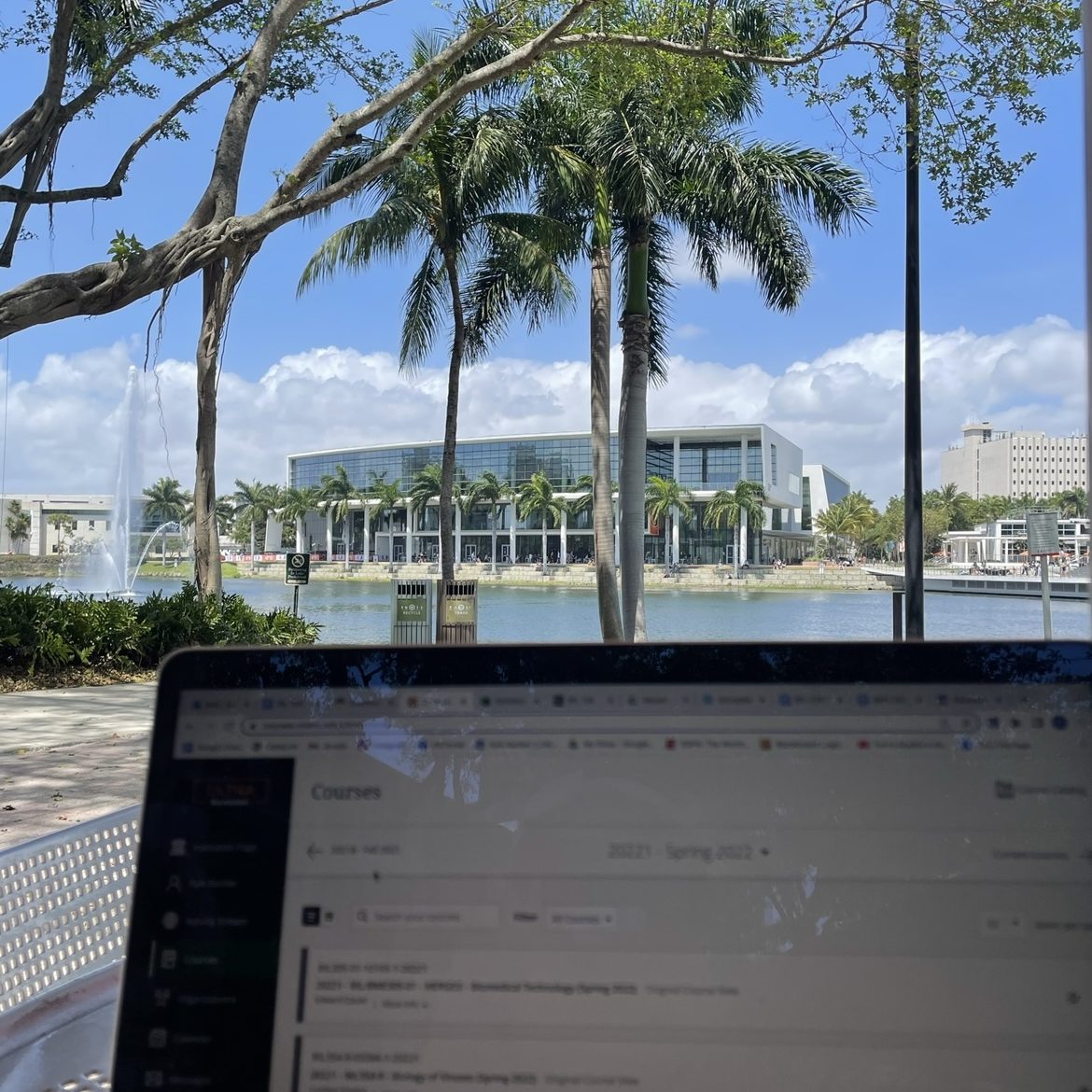
This college example paints how the mind and body must be healthy and connected before returning to their sport. Many fans believe their favorite athletes can instantly play once a doctor clears them to compete. However, that is distant from reality, as many athletes often take more time to practice or prepare to return to their sport after sitting out for an extended period. A recent professional-level example is Simone Biles, an Olympian-winning athlete who decided to sit out the 2020 Tokyo Olympics due to mental health reasons. While this received heavy criticism, Biles realized and stated to the media that her mind and body were not acting in harmony, causing concern with all the risky stunts and physical actions in her typical routines.
There are many different perspectives on what it means to feel mentally prepared to return to a sport. One athlete, such as Omier, could be nervous or anxious about entering a competitive March Madness game where they could get hurt in the same way and be sidelined for longer once again. Other athletes, such as Biles, may realize after an injury or setback that they need more time to feel mentally ready to return to their sport. In whatever way you look at it, the mind and body are closely connected in an athlete’s injury recovery period, which is often not recognized by fans or others who want to see players return to their favorite team as soon as possible.
My Experiences and Future Hopes
As an athlete who has encountered similar situations as those mentioned above, I would argue that the psychological aspect of recovering from an injury is just as important as healing your body itself. Not only must you need to feel emotionally and mentally prepared to play the sport you love, but you also must do so at a high level. Often enough, when you are injured, you are replaced by another player by which you must compete to win back your starting position. While this is different from situation to situation, this competition immediately once returning can add significant stress, requiring mental toughness and readiness.
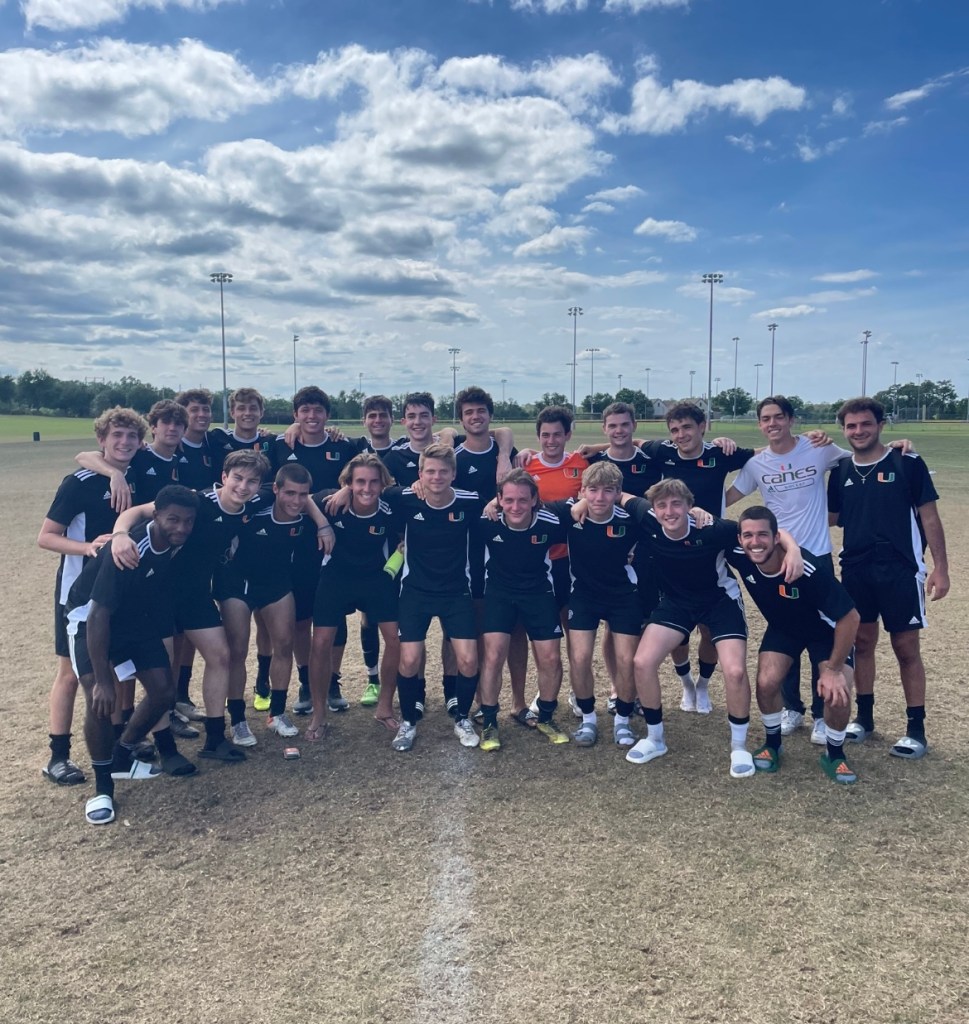
As the Founder and President of the mental health club UpliftingU and a member of the Men’s Club Soccer Team at the University of Miami, I understand the importance of mental health and the challenges associated with recovering from sports injuries on a competitive team. While they have affected athletes of different levels like myself, Norchad, and Simone, we all have varying mental health resources to ensure that our injury recoveries do not significantly reduce our confidence and affect our mood. However, this part of the recovery process is often overlooked. I hope professional and college athletes will soon be asked more questions about their mental recovery from an injury. From this, we can hopefully see these resources and advice grow and spread to fellow athletes across the globe.
Sources
American College of Sports Medicine. (2021). Retrieved 28 March 2023, from https://www.acsm.org/news-detail/2021/08/09/the-american-college-of-sports-medicine-statement-on-mental-health-challenges-for-athletes
Bescoby, C. (2022). Shifting the spotlight: mental health of injured athletes. Retrieved 28 March 2023, from https://www.sportsinjurybulletin.com/diagnose–treat/shifting-the-spotlight-mental-health-of-injured-athletes#:~:text=Psychological%20responses%20following%20injury%20may,athlete%27s%20mental%20health%20and%20recovery
Gitnux. (2023). The Most Surprising College Sports Injuries Statistics And Trends in 2023. Retrieved 28 March 2023, from https://blog.gitnux.com/college-sports-injuries-statistics/#:~:text=(2003)%20reported%20that%20the%20overall,time%20off%20from%20their%20sport
NCAA. (2011). Mind, Body and Sport: How being injured affects mental health. Retrieved 28 March 2023, from https://www.ncaa.org/sports/2014/11/5/mind-body-and-sport-how-being-injured-affects-mental-health.aspx#:~:text=For%20some%20student%2Dathletes%2C%20the,and%20substance%20use%20or%20abuse.
Tillman, R. (2021). Simone Biles reflects on choice to pull out of Olympics: ‘It was too much’ . Retrieved 28 March 2023, from https://www.ny1.com/nyc/all-boroughs/news/2021/09/28/simone-biles-opens-up-tokyo-olympics-decision#:~:text=The%20trouble%20started%20in%20the,Sit%20down

 Kyle Banker